

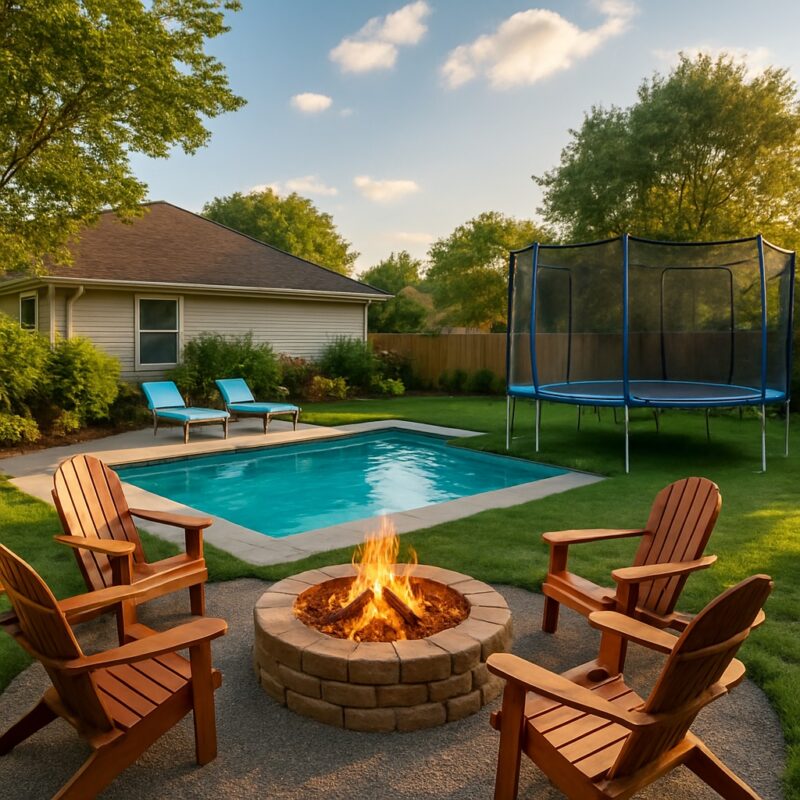
Artificial intelligence is changing the way we approach design, including outdoor spaces. From generating quick layouts to suggesting plant combinations, AI tools seem like a convenient solution for homeowners looking to upgrade their yards. But when it comes to something as complex and site-specific as landscape design, AI has real limitations.
While it can be helpful in early brainstorming stages, relying entirely on AI to plan your landscape may not deliver the results you expect—or worse, it may lead to costly mistakes.
Let’s break down why.
The Rise of AI in Landscape Design
How AI Tools Are Being Used Today
AI-powered tools are becoming increasingly popular in the landscape industry. Homeowners can upload photos of their yard and receive instant design ideas, plant suggestions, and layout concepts. These tools promise speed, affordability, and convenience.
Why Homeowners Are Turning to AI
Let’s face it—AI is appealing. It’s fast, often free or low-cost, and easy to use. For someone just starting to think about their outdoor space, it can feel like a great first step.
But convenience doesn’t always equal accuracy.
Lack of Site-Specific Context
AI Can’t Physically Experience Your Property
One of the biggest drawbacks of AI is its inability to truly understand your property. It relies entirely on the data you provide—photos, dimensions, and descriptions.
What it can’t do is:
- Feel how water drains after a storm
- Notice subtle elevation changes
- Understand wind exposure
- Recognize existing soil conditions
These are critical factors that influence every successful landscape design.
Missing Microclimates and Unique Conditions
Every property has its own microclimate. A shaded corner, a windy slope, or a heat-reflective wall can dramatically impact plant health and usability.
AI often overlooks these nuances unless explicitly told—and even then, it may not interpret them correctly.
Problems with Scale and Proportion
Misjudging Size and Spatial Relationships
AI-generated designs often look great on screen—but don’t translate well in real life.
For example:
- A patio may appear spacious but end up too small for furniture
- Plantings may be too dense once mature
- Pathways might feel cramped or awkward
Without a trained eye, scale becomes guesswork.
Unrealistic Layouts and Overcrowding
AI tends to “over-design,” packing in features without considering how they fit together. The result? A cluttered, impractical space that doesn’t function well.
Inaccurate Plant Selection
Hardiness Zones and Climate Confusion
Plant selection is one of the most critical parts of landscape design. AI tools may suggest plants that:
- Don’t match your USDA hardiness zone
- Can’t survive local winters
- Require more maintenance than expected
Unless users input precise location data, AI often makes broad assumptions.
Soil, Drainage, and Sunlight Oversights
Even within the same yard, conditions vary. AI doesn’t test soil or observe sun patterns throughout the day.
This can lead to:
- Plants failing to thrive
- Increased maintenance costs
- The need for costly replacements
Unrealistic Materials and Construction Ideas
Designs That Ignore Budget Constraints
AI doesn’t always consider real-world costs. It might suggest:
- High-end materials without pricing context
- Complex features like retaining walls or water elements
- Designs that exceed typical budgets
Materials That Don’t Exist or Aren’t Practical
Some AI-generated visuals include materials or combinations that:
- Aren’t available locally
- Don’t perform well in your climate
- Are structurally impractical
This creates a gap between concept and reality.
Lack of Functional Design Thinking
Ignoring How People Use Outdoor Spaces
A beautiful design isn’t enough—it has to work for your lifestyle.
AI often misses:
- Traffic flow
- Seating arrangements
- Entertaining needs
- Privacy considerations
Accessibility and Safety Concerns
Professional designers consider safety, including:
- Proper grading
- Slip-resistant surfaces
- Adequate lighting
AI rarely prioritizes these critical elements.
Where AI Can Actually Be Helpful
Despite its limitations, AI does have a place in the design process.
Idea Generation and Inspiration Boards
AI is excellent for:
- Exploring different styles
- Visualizing concepts
- Creating mood boards
It can help you discover what you like before committing to a plan.
General Planning and Style Exploration
AI can provide a starting point by:
- Suggesting layout ideas
- Offering plant inspiration
- Helping you communicate your vision
Think of it as a brainstorming tool—not a final solution.
The Value of Hiring a Landscape Professional
Expertise in Design, Engineering, and Horticulture
Professional landscape designers and landscape architects bring years of training and experience. They understand:
- Site analysis
- Plant science
- Structural design
- Local regulations
This ensures your project is both beautiful and functional.
Real-World Experience with Installation
Design is only half the battle—execution matters just as much.
Professionals know:
- What works in the field
- How materials behave over time
- How to coordinate construction
Why Professionals Deliver Better Results
Custom Solutions Tailored to Your Property
Unlike AI, professionals:
- Visit your site
- Analyze conditions firsthand
- Create designs specific to your needs
No guesswork—just informed decisions.
Long-Term Value and Sustainability
A professionally designed landscape:
- Lasts longer
- Requires less maintenance
- Adds real property value
It’s an investment, not just an expense.
FAQs
1. Can AI replace a landscape designer?
No. AI can assist with ideas, but it lacks the expertise and real-world understanding needed for a complete design.
2. Is AI useful for landscaping at all?
Yes, it’s great for inspiration, mood boards, and early-stage planning.
3. Why does scale matter in landscape design?
Incorrect scale can make spaces unusable or uncomfortable, impacting both aesthetics and function.
4. How do professionals choose the right plants?
They consider climate, soil, sunlight, and maintenance needs—factors AI often overlooks.
5. Are AI-generated designs buildable?
Not always. Many designs include unrealistic or impractical elements.
6. Is hiring a landscape designer worth the cost?
Absolutely. It saves time, prevents costly mistakes, and ensures a high-quality result.
Conclusion
AI is a powerful tool—but it’s not a substitute for professional expertise. When it comes to landscape design, the details matter. From understanding your property’s unique conditions to ensuring a design can actually be built, there’s no replacement for hands-on experience.
AI can help spark ideas and guide early decisions, but for a landscape that truly works—functionally, aesthetically, and long-term—hiring a professional landscape designer or landscape architect is the smartest investment you can make.
At the end of the day, your outdoor space deserves more than a generic solution. It deserves thoughtful design, expert planning, and skilled execution.
Ready to Create a Cohesive Outdoor Living Space?
If you’re ready to transform your property into a thoughtfully designed outdoor environment, Land Design Associates, Inc. is here to help.
📍 Serving Walpole, MA & Cohasset, MA
📞 Contact us today to schedule a professional landscape design consultation.
Book a design consultation here https://landdesignassociates.com/design/
🌐 Portfolio: https://landdesignassociates.com/featured-projects/