

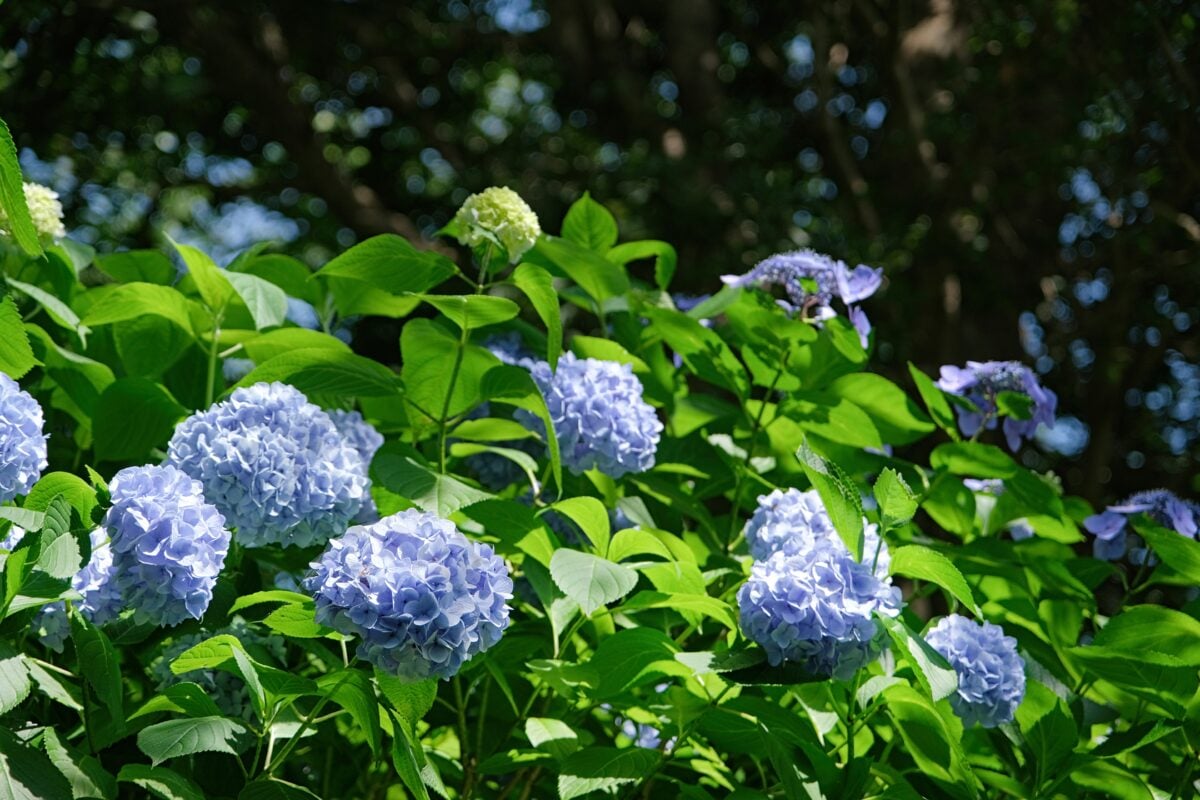
June arrives on the South Shore with a rush of growth, color, and activity that can feel almost overwhelming if you don’t have a plan. The soil has finally warmed, the frost threat is behind us, and the garden is ready to take off — but so are the weeds, the pests, and the fungal problems that come with New England’s humid early summer weather.
For homeowners in Hingham, Cohasset, Duxbury, and across the South Shore, June is one of the most important months in the garden calendar. The decisions you make right now — what you plant, what you prune, how you mulch and water — set the foundation for how your landscape looks and performs all the way through September.
This month-by-month garden series from Land Design Associates is designed to give you a practical, expert-guided checklist for every season. Here’s what June calls for.
1. Direct Seed Your Summer Vegetables Now
If you have a vegetable garden — or you’ve been thinking about starting one — early June is your window. Once the danger of frost has passed and soil temperatures are consistently warm, it’s time to direct sow warm-season crops: beans, corn, squash, cucumber, okra, carrots, and beets can all go in the ground now.
Before you plant, take the time to prepare your soil properly. Till or loosen the top 6 to 8 inches and incorporate compost or aged manure — this improves soil structure, drainage, and nutrient levels in one step. On the South Shore, where soils range from sandy coastal conditions in Duxbury to heavier glacial soils inland, amending with organic matter makes a meaningful difference in how well vegetable crops establish and produce.
For best results, pair compost with a balanced organic or slow-release fertilizer. Compost alone often isn’t enough to fuel the demanding growth of vegetable crops through the season.
2. Plant Annuals and Perennials — But Shop Carefully
June is peak planting season for annuals and perennials across Hingham, Cohasset, and Duxbury, and garden centers are at their best right now. But before you load up the car, slow down and inspect plants carefully before purchase.
Look for signs of disease on the foliage — yellowing, spotting, distorted leaves, or powdery white coating. Check for insects, especially on the undersides of leaves and along stems. For perennials, turn the pot upside down: if roots are emerging from the drainage holes in a dense mass, the plant is root-bound and has been sitting too long. A lightly root-bound plant can be loosened and planted successfully; a severely root-bound one is a gamble.
Once you have healthy plants, prepare the site properly. Sandy soils — common along the South Shore coastline — benefit significantly from the incorporation of well-decomposed organic matter worked 10 to 12 inches deep across the entire planting area, not just the individual planting holes. And always water the root ball thoroughly before planting. A dry root ball planted into dry soil is one of the most preventable causes of plant failure.
3. Finish Pruning Spring-Flowering Shrubs — You Have Until the End of June
This one is time-sensitive, and it catches a lot of homeowners off guard every year: spring-flowering shrubs must be pruned before the end of June, or you risk cutting off next year’s blooms.
Forsythia, viburnum, honeysuckle, lilac, azalea, and rhododendron all bloom on growth produced the previous year. They form their flower buds for next spring during mid-to-late summer. If you prune them after those buds have set — say, in July or August — you’re removing the very branches that would have flowered for you in 2026.
Pruning right after bloom, which for most of these shrubs means May through the end of June, encourages the plant to produce vigorous new growth this season. That new growth will carry next year’s flowers. It’s a straightforward principle, but missing the window costs you a full season of blooms.
If you have mature lilacs, viburnums, or overgrown rhododendrons on your Hingham, Cohasset, or Duxbury property that need more than light shaping, now is the time to call for a professional pruning assessment. Renewal pruning of large overgrown shrubs is a multi-year process best started with a clear plan.
4. Thin Vegetable Seedlings Before They Crowd Each Other
If you direct-sowed root crops — carrots, beets, radishes — earlier this spring or in early June, thinning is now a priority. Root crops are typically sown thickly to ensure good germination, then thinned later to give each plant the space it needs to develop properly.
For carrots and beets, thin to approximately 2 inches between plants. Do this as soon as the seedlings are large enough to handle — the thinnings of beets and radishes are actually edible and make excellent additions to a salad. Waiting too long to thin allows plants to compete with each other, resulting in stunted, misshapen roots.
5. Get Summer Flowering Bulbs in the Ground
Tender summer-blooming bulbs — cannas, gladiolus, dahlias, and tuberous begonias — should be planted by the end of June. Unlike spring bulbs, these tender varieties cannot survive Massachusetts winters in the ground and must go in after the soil has fully warmed.
Choose a sunny spot with good drainage. These plants need warmth and bright light to perform at their best, and they’ll reward you with dramatic late-summer color that carries the garden from August into fall. On South Shore properties where the season’s ornamental interest can start to fade in late summer, well-placed cannas or dahlias can be a game-changer for late-season curb appeal.
6. Refresh Your Mulch — The Right Way
Mulch is one of the hardest-working elements in any well-maintained landscape, and June is a good time to assess and refresh. If your beds already have mulch from last season, a light 1-inch top dressing is typically all that’s needed to restore appearance and function. For new beds, apply 2 to 3 inches.
A few important rules: never pile mulch against the crowns of perennials, and never let mulch touch the base of shrub or tree stems. “Mulch volcanoes” — the mounded piles against tree trunks that are, unfortunately, common across South Shore neighborhoods — trap moisture against the bark and create conditions for rot, disease, and pest damage. Mulch should lay flat, pulled back an inch or two from plant stems.
Organic mulches — ground bark, wood chips, shredded leaves — are the best choice. They moderate soil temperature, conserve moisture, suppress weeds, and break down over time to improve soil structure.
7. Stay Ahead of Weeds
There is no better time to weed than right now, while plants are small and roots are shallow. A few minutes of weeding each week in June is worth hours of effort in August when those same weeds have seeded themselves and spread throughout your beds.
The goal is to prevent weeds from going to seed. One dandelion that finishes its cycle before you pull it produces hundreds of seeds that will be your problem for years. Cultivate shallowly between plants to disrupt emerging weeds without bringing buried seeds to the surface, where light will trigger their germination.
8. Watch for Powdery Mildew — Act Early
Powdery mildew is one of the most common fungal problems in South Shore gardens, and June’s combination of humid nights and warm days creates ideal conditions for it. The white, chalky coating that appears on leaves is a sign the fungus is already established — and it spreads quickly.
Plants most susceptible include garden phlox, bee balm, zinnias, roses, lilacs, and ninebark. The best prevention is cultural: give plants adequate spacing for air circulation, water at the base rather than overhead, and avoid evening watering that leaves foliage wet overnight. If you see early signs, remove and discard affected leaves immediately to reduce the spore load before it spreads.
On Cohasset and Hingham properties where roses and phlox are garden staples, this is a watch item every June.
9. Scout Azaleas for Lace Bugs
While you’re checking azaleas after bloom and pruning, look carefully at the undersides of the leaves. Lace bugs are small but cause distinctive damage: yellow or bronze stippling on the upper leaf surface, and dark, tar-like spots of excrement on the leaf undersides.
Lace bug populations build quickly in warm weather and can significantly reduce a plant’s vigor and appearance by mid-summer. Catching them early — in June, before populations explode — makes management much more straightforward. Treat with products labeled specifically for lace bug control, following label directions carefully.
10. Move Houseplants Outside
Finally, a simple one that makes a real difference: many houseplants respond remarkably well to a summer spent outdoors. The increased light, humidity, and fresh air promote strong growth that can revitalize plants that have become leggy or slow indoors.
The key is transition. Move houseplants to a shaded or partially shaded outdoor spot first and gradually increase their light exposure over one to two weeks. A plant moved directly from a dim interior to full sun will sunburn quickly. Once established outdoors, remember that container plants dry out far faster outside than in — check soil moisture regularly and water more often than you would indoors.
Let Land Design Associates Handle It for You
If June’s garden to-do list feels like more than you want to tackle on your own, that’s exactly what we’re here for. The Land Design Associates team works with homeowners across Hingham, Cohasset, Duxbury, and the broader South Shore to keep landscapes healthy, beautiful, and performing at their best through every season.
From spring cleanup and planting to shrub pruning, mulch installation, and pest monitoring, our seasonal maintenance programs take the guesswork out of garden care and free you to enjoy your outdoor space rather than manage it.
Ready to talk about your property this season?
📍 1415 Main Street, Walpole, MA 02081 📞 (781) 769-3286 🌐 landdesignassociates.com
Proudly serving Hingham, Cohasset, Duxbury, and the South Shore.
Schedule Your Landscape Design Consultation Today
If you are planning a project and need landscape design in Walpole, MA or landscape design in Hingham, Duxbury and Cohasset, MA, working with the right team makes all the difference.
Land Design Associates is ready to help you design and build an outdoor space that is functional, durable, and built around your lifestyle.
Start with a design consultation:
https://landdesignassociates.com/design-build-form/
Or explore our work here:
https://landdesignassociates.com/featured-projects/