

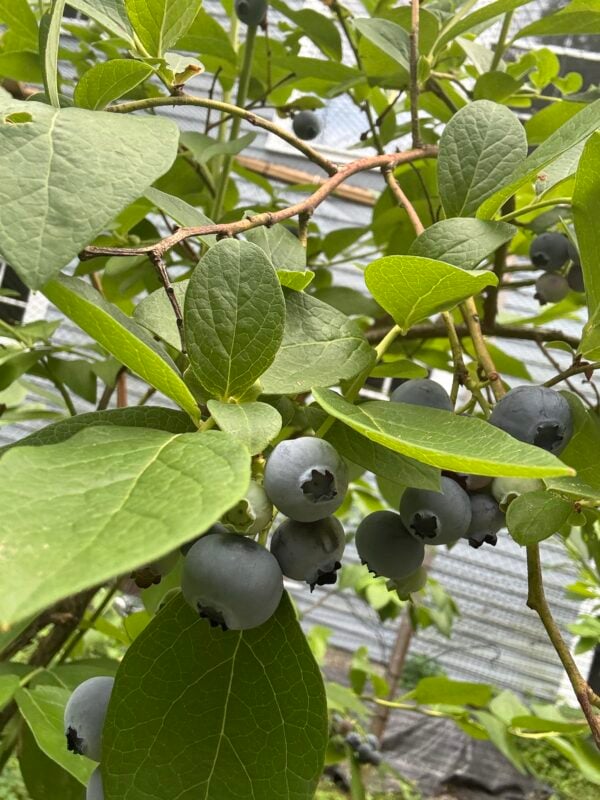
If you’ve ever admired a New England landscape with fiery red foliage in the fall and clusters of sweet berries in the summer, chances are you were looking at a blueberry bush. At Land Design Associates, we design landscapes for homeowners throughout the Greater Boston area. Blueberry landscaping has become one of our favorite ways to combine beauty, function, and flavor in a single design.
Edible landscaping is more than a passing trend. It’s a smart, sustainable approach to designing outdoor spaces that give back. And few plants do it better than the blueberry bush, which happens to be one of the few fruiting plants native to Massachusetts.
In this guide, we’ll walk through why blueberry bushes make such a strong landscape design choice for homes across Greater Boston, how they fit into a broader design plan, and what to expect if you’re considering adding them to your yard.
Why Blueberry Bushes Work So Well in Greater Boston
Most of the Greater Boston area sits in USDA Hardiness Zone 6b, with the kind of acidic, well-drained soil that blueberries naturally thrive in throughout New England. Unlike many ornamental shrubs that need constant babying, highbush blueberries (Vaccinium corymbosum) are remarkably well-suited to our regional climate and soil conditions right out of the gate.
A few reasons blueberries fit so naturally into a landscape design in this region:
- Native and low maintenance-Once established, blueberry bushes require far less intervention than many ornamental alternatives. No constant fertilizing schedules or pest treatments needed for a healthy planting.
- Multi-season interest-Delicate white or pale pink bell-shaped flowers appear in spring, deep green foliage fills in through summer alongside the fruit, and by fall the leaves turn a brilliant red orange that rivals any burning bush or maple.
- Soil compatibility- Much of the soil across Eastern Massachusetts tends toward the slightly acidic range blueberries prefer, meaning less soil amendment is typically needed compared to other flowering shrubs.
- Pollinator support- Blueberry flowers are a favorite of native bees, making them a great addition for homeowners interested in pollinator-friendly landscaping.
How Blueberry Bushes Fit Into a Landscape Design Plan
One of the most common misconceptions about edible landscaping is that it has to look like a farm plot tucked into a corner of the yard. In reality, blueberry bushes can be integrated seamlessly into a professionally designed landscape in several ways.
As a Foundation or Border Planting
Blueberry bushes typically grow 4 to 6 feet tall and wide, making them an excellent substitute for traditional foundation shrubs like boxwood or yew. Planted along a walkway or property line, a row of blueberry bushes creates a soft, layered hedge that offers privacy, seasonal color, and a harvest. Something a purely ornamental shrub can’t match.
Mixed Into Perennial Beds
For homeowners who want a more naturalized look, blueberry bushes pair beautifully with other native and acid-loving plants like ferns, hostas, and low growing groundcovers. This creates a layered, woodland-inspired bed that feels intentional and polished rather than utilitarian.
As a Standalone Feature Bed
Some of our favorite projects have involved designing a dedicated “blueberry patch” as a feature within a larger backyard design. Often near a patio or outdoor living space, where the fruit becomes an interactive, enjoyable part of the yard rather than an afterthought.
Paired With Hardscape Elements
Blueberry plantings look especially striking next to natural stone walkways, retaining walls, or gravel paths. The contrast between hard, structured materials and the soft, seasonal texture of the bushes is a design principle we lean on often when planning backyard transformations for clients throughout the Boston area.
Choosing the Right Blueberry Varieties for Massachusetts
Not all blueberry varieties perform equally well in our region. When we design a planting plan, we typically recommend a mix of the following:
- Highbush varieties (like Bluecrop or Patriot) — the most common and reliable choice for New England landscapes, producing large, flavorful berries and strong fall color.
- Half-high varieties (like Northblue) — a good option for smaller yards or foundation plantings where a more compact form is needed.
- Multiple varieties for cross-pollination — planting at least two different blueberry varieties significantly improves fruit production, since cross-pollination generally produces a larger, more consistent harvest than a single variety alone.
A professional design plan accounts for mature size, sun exposure, and spacing between varieties — details that make the difference between a thriving planting and one that struggles.
What to Expect From a Blueberry Landscaping Project
If you’re considering adding blueberry bushes to your property, here’s a general sense of the process when working with a design-build landscape company:
- Site consultation assessing sun exposure, existing soil conditions, and drainage.
- Soil testing and amendment planning determining whether soil pH adjustments are needed to hit the ideal acidic range for blueberries.
- Design layout placing bushes for both aesthetic balance and pollination success, integrated with the rest of your landscape design.
- Installation planting, mulching (pine bark or wood chip mulch helps maintain soil acidity), and initial irrigation setup.
- Ongoing care guidance light pruning schedules and seasonal maintenance tips to keep plants healthy and productive for years to come.
Most residential blueberry plantings can be installed in a single day once the design and soil prep are complete, though larger integrated landscape projects that include blueberries alongside hardscaping or other plantings may take longer depending on scope.
Why Work With a Landscape Designer Instead of DIY Planting
It’s entirely possible to plant a blueberry bush yourself — but designing a landscape where blueberries function as both a beautiful and productive part of your yard takes more planning than a single trip to the garden center. A professional landscape designer accounts for:
- Long-term mature size and spacing, so plants aren’t outgrowing their space in five years
- Proper soil pH correction, since most Massachusetts soil needs some adjustment to hit ideal blueberry-growing conditions
- Sun exposure mapping across your specific property
- Integration with your home’s overall landscape style, so the planting looks intentional rather than added on
At Land Design Associates, we bring this level of planning to every project, whether it’s a single feature bed or a full backyard transformation that includes blueberries as part of a larger vision.
Frequently Asked Questions
Do blueberry bushes grow well in Massachusetts? Yes. Massachusetts’ climate and generally acidic soil make it one of the better regions in the country for growing highbush blueberries, which are native to the northeastern United States.
How much sun do blueberry bushes need? Blueberry bushes need full sun — at least 6 hours of direct sunlight per day — to produce a strong fruit yield and vibrant fall foliage color.
How long does it take for a blueberry bush to produce fruit? Newly planted blueberry bushes typically take two to three years to produce a substantial harvest, though a light yield is often possible in the second year.
Can blueberry bushes be used for privacy landscaping? Yes. When planted in a row and allowed to mature, blueberry bushes create a dense, informal hedge that works well for privacy screening while still offering seasonal color and fruit.
Do I need more than one blueberry bush? While a single bush can produce fruit, planting two or more different varieties improves pollination and typically results in a larger, healthier harvest.
Ready to Add Blueberries to Your Landscape?
Whether you’re looking to add a single feature bed or design an entire backyard around edible, low-maintenance plantings, blueberry bushes are one of the most rewarding additions we design into landscapes for homeowners across Greater Boston.
Land Design Associates offers free consultations for homeowners ready to start planning their next landscape project. Contact us today to schedule a site visit and see how blueberry landscaping could work for your property.
Start with a design consultation:
https://landdesignassociates.com/design-build-form/
Or explore our work here:
https://landdesignassociates.com/featured-projects/