

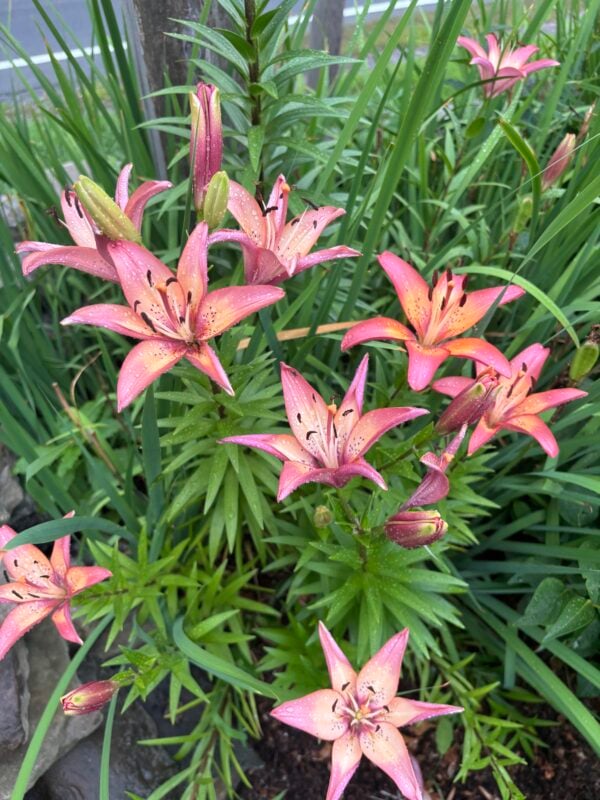
Few flowers make as strong a statement in a landscape as the lily. With their tall, elegant stems, bold trumpet shaped blooms, and rich fragrance, lilies bring a level of drama and sophistication to a garden that few other perennials can match. At Land Design Associates, we design landscapes for homeowners throughout the Greater Boston area, and lilies are one of our go-to choices for clients who want a garden that feels vibrant, layered, and effortlessly elegant.
Unlike many showy flowering plants, lilies are also surprisingly easy to grow and maintain once properly placed. Making them a favorite for both first time garden owners and homeowners looking to elevate an established landscape.
In this guide, we’ll cover why lilies work so well in Greater Boston gardens, how to use them effectively in a landscape design, and what to expect from a professional lily planting.
Why Lilies Work So Well in Greater Boston Gardens
Greater Boston’s climate generally USDA Hardiness Zone 6a to 6b is well suited to many popular lily varieties, particularly Asiatic and Oriental lilies. These plants tend to handle our region’s cold winters and humid summers with ease, provided they’re planted in well drained soil.
A few reasons lilies fit so naturally into a Greater Boston landscape design:
- Long bloom season. By staggering different lily varieties, it’s possible to have continuous blooms from early summer through early fall.
- Vertical interest. Lilies typically grow 2 to 6 feet tall depending on variety, adding height and structure to garden beds that would otherwise feel flat.
- Fragrance. Oriental lilies in particular are prized for their strong, sweet fragrance, which can transform a patio or entryway garden into a sensory experience.
- Deer resistance (with caveats). While not entirely deer-proof, many lily varieties are less appealing to deer than other common perennials, making them a reasonable choice for suburban Boston properties bordering wooded areas though determined deer will still browse lilies if food is scarce.
- Pollinator appeal. Bees and butterflies are drawn to lily blooms, adding another layer of benefit for homeowners interested in pollinator-friendly landscaping.
How Lilies Fit Into a Landscape Design Plan
Lilies are versatile enough to work in nearly any garden style, but they shine brightest when placed thoughtfully within a broader design.
As a Vertical Accent in Perennial Beds
Because of their height, lilies work well planted toward the back or middle of a mixed perennial bed, where they can rise above lower-growing plants like hostas, coral bells, or catmint. This layering creates depth and draws the eye upward.
Along Walkways and Entryways
Fragrant lily varieties planted near a front walkway or entry garden create a welcoming sensory experience for guests. Something we frequently incorporate into front yard design projects for Greater Boston clients who want curb appeal with personality.
In Cutting Gardens
Because lilies make excellent cut flowers, some homeowners choose to dedicate a portion of their landscape specifically to a cutting garden. This allows the enjoyment of fresh-cut lilies indoors without disturbing the main ornamental beds.
Paired With Structural Hardscape Elements
Lilies planted near stone walls, raised beds, or along the edges of a patio provide a striking contrast between rigid, structured hardscape materials and the soft, colorful movement of the blooms. A pairing we use often when designing outdoor living spaces.
Choosing the Right Lily Varieties for Massachusetts
Not all lilies perform identically in our region’s climate. When designing a planting plan, we typically recommend a mix of the following:
- Asiatic lilies — the earliest to bloom (typically June), available in a wide range of vibrant colors, and generally the easiest to grow for beginners.
- Oriental lilies — blooming later in summer (July to August), known for their large, intensely fragrant flowers and slightly more particular soil drainage needs.
- Orienpet lilies — a hybrid between Oriental and trumpet lilies, offering the best of both: strong fragrance, large blooms, and sturdier stems that hold up well in New England weather.
Staggering these varieties throughout a garden bed allows for continuous bloom coverage across most of the growing season rather than a single short burst of color.
What to Expect From a Lily Landscaping Project
If you’re considering adding lilies to your Greater Boston property, here’s a general sense of the process when working with a design-build landscape company:
- Site consultation — assessing sun exposure, soil drainage, and existing garden layout.
- Soil preparation — lilies generally need well-drained soil, so amendments may be recommended for heavier clay soils common in parts of the Boston area.
- Design layout — placing lily varieties for staggered bloom times, height progression, and color coordination with surrounding plantings.
- Planting — typically done with bulbs in fall or established plants in spring, depending on the variety and timing of the project.
- Ongoing care guidance — staking taller varieties if needed, deadheading spent blooms, and seasonal maintenance to encourage healthy return blooms year after year.
Because lilies are bulb-based perennials, many varieties will return and often multiply over successive growing seasons when properly sited and maintained.
Why Work With a Landscape Designer Instead of DIY Planting
Planting a few lily bulbs is simple enough on your own, but designing a garden where lilies create real visual impact. With the right color combinations, bloom timing, and placement relative to the rest of your landscape. Takes more planning than picking up a bag of bulbs at a garden center. A professional landscape designer accounts for:
- Bloom time sequencing, so the garden has color from early summer through fall rather than one short burst
- Mature height and companion planting, ensuring taller lilies don’t overshadow smaller plants
- Soil drainage conditions specific to your property, since poor drainage is one of the most common reasons lilies fail to thrive
- Integration with your home’s overall landscape style and color palette
At Land Design Associates, we bring this level of planning to every project, whether it’s a single accent bed or a full garden redesign built around seasonal color.
Frequently Asked Questions
Do lilies grow well in Massachusetts? Yes. Massachusetts’ climate supports a wide range of lily varieties, particularly Asiatic and Oriental lilies, which are well-suited to the region’s cold winters and warm, humid summers.
When is the best time to plant lily bulbs in Greater Boston? Fall is generally the best time to plant lily bulbs in New England, allowing roots to establish before winter dormancy, though container-grown lilies can also be planted in spring.
Are lilies deer-resistant? Lilies are less commonly targeted than some other garden plants, but they are not fully deer-proof. In areas with high deer pressure, additional protection may be needed.
How long do lilies bloom? Individual lily blooms typically last one to two weeks, but by planting a mix of early, mid, and late-season varieties, a garden can have lily blooms from early summer into early fall.
Are lilies toxic to pets? True lilies (Lilium species) are highly toxic to cats and should be planted with caution in households with outdoor or curious indoor cats. They are generally considered less toxic to dogs but can still cause mild stomach upset.
Ready to Add Lilies to Your Landscape?
Whether you’re looking to add a single fragrant accent bed or design an entire garden built around season-long color, lilies are one of the most rewarding perennials we design into landscapes for homeowners across Greater Boston.
Land Design Associates offers free consultations for homeowners ready to start planning their next landscape project. Contact us today to schedule a site visit and see how lily landscaping could work for your property.
Start with a design consultation:
https://landdesignassociates.com/design-build-form/
Or explore our work here:
https://landdesignassociates.com/featured-projects/