

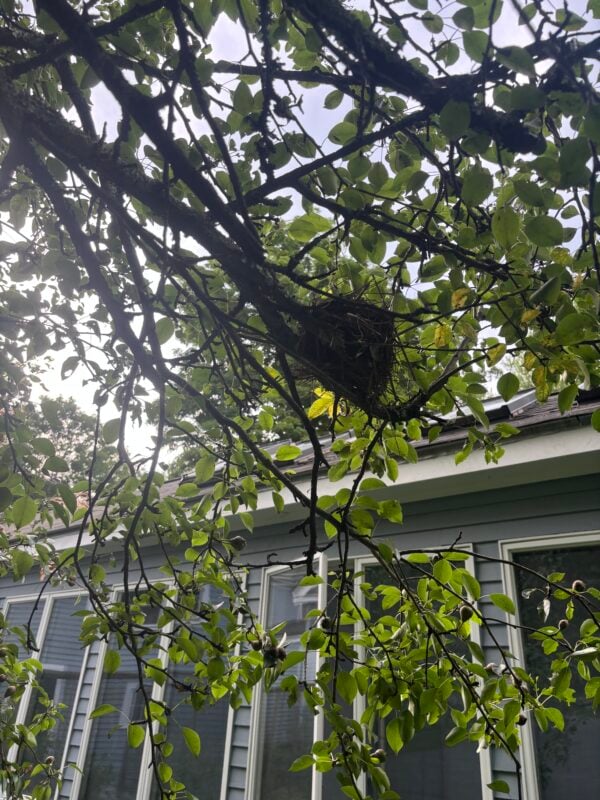
There’s a particular kind of quiet satisfaction in stepping into your backyard and hearing birdsong overhead. Knowing the trees you’ve planted aren’t just beautiful but actively supporting a nesting pair or a growing brood. At Land Design Associates, we design landscapes for homeowners throughout the Greater Boston area, and bird-friendly landscaping has become one of the most requested design elements we work into residential projects.
Creating a yard that attracts nesting birds isn’t about luck. It’s about thoughtful tree selection, layered planting, and a few design decisions that make a property genuinely hospitable to the birds that call New England home for part or all of the year.
In this guide, we’ll cover which trees and landscape features support nesting birds in Greater Boston, how to design a yard that welcomes them, and what to expect when working nesting-friendly elements into a broader landscape plan.
Why Bird-Friendly Landscaping Matters in Greater Boston
Greater Boston sits along a major songbird migration corridor, and the region’s mix of mature trees, wooded conservation land, and suburban yards makes it an important habitat patch for both migratory and year-round resident species. Chickadees, cardinals, robins, blue jays, and a variety of warblers all rely on a combination of tree cover, shrub layers, and food sources to nest successfully.
A few reasons homeowners are increasingly designing for birds:
- Natural pest control. Nesting birds and their young consume large quantities of insects, including many common garden pests.
- Year-round interest. A landscape designed with birds in mind tends to have more seasonal variety — berries in fall, seed heads in winter, blooms in spring — since these are the same features that attract and sustain birds.
- Pollinator and ecosystem support. Bird-friendly landscaping often overlaps with pollinator-friendly and native-plant landscaping, creating a more resilient, self-sustaining yard overall.
- Simple enjoyment. For many homeowners, the primary motivation is simply the pleasure of birdsong and activity right outside the window.
Trees That Support Nesting Birds in New England
Not all trees offer equal value to nesting birds. Structure, density, and native status all play a role in which species will actually use a tree for nesting versus simply passing through.
Native Oaks
Few trees support as much wildlife as native oak species. Oaks host an enormous number of insect species, which in turn provide the protein-rich food source that nesting birds need to raise healthy young. Their dense branching structure also offers excellent nest concealment.
Eastern White Pine
A common and well-adapted evergreen throughout Massachusetts, white pines provide year-round cover and are frequently used by larger nesting birds, including some hawks and owls, as well as smaller songbirds seeking shelter from wind and predators.
Serviceberry (Amelanchier)
This native small tree is a favorite in ornamental landscape design for its spring blooms and fall color but it’s equally valuable for birds. Its early summer berries are a reliable food source, and its multi-stem branching structure offers good nesting cover for smaller songbirds.
American Holly and Winterberry
Both provide berries that persist into winter, offering a critical food source when other options are scarce, while their dense evergreen or twiggy structure gives birds protective cover during colder months.
Flowering Dogwood
Beyond its ornamental spring blooms, dogwood produces berries favored by a wide range of songbirds and offers a horizontal branching structure that many species find ideal for nest placement.
Designing a Landscape That Supports Nesting Birds
Choosing the right trees is only part of the equation. A well-designed bird-friendly landscape typically incorporates several layers working together.
Layered Plantings
Bird’s nest at different heights depending on species. Some prefer low shrubs, others favor mid-canopy branches, and some nest high in mature trees. A landscape with layered height, from groundcover through shrubs to canopy trees, supports a wider range of nesting species than a yard with a single tree height.
Minimal Pruning During Nesting Season
Design plans that account for nesting season (roughly April through July in Massachusetts) by scheduling major tree and shrub pruning outside of this window help ensure active nests aren’t disturbed.
Water Sources
A birdbath, small pond feature, or shallow water element integrated into the landscape design gives nesting birds a reliable water source, which is often the limiting factor in an otherwise well-planted yard.
Reducing Reliance on Non-Native, High-Maintenance Turf
Large expanses of manicured lawn offer little nesting or foraging value. Replacing portions of turf with native shrub borders or naturalized planting beds significantly increases the habitat value of a property without sacrificing overall design appeal.
Thoughtful Placement Away From High-Traffic Areas
Nesting trees and shrubs placed slightly away from high-foot-traffic zones such as patios, play areas, and walkways tend to see more successful nesting activity, since birds generally prefer some buffer from frequent human disturbance.
What to Expect From a Bird-Friendly Landscape Design Project
If you’re considering redesigning part of your property to support nesting birds, here’s a general sense of the process when working with a design-build landscape company:
- Site assessment — reviewing existing mature trees, sun exposure, and any current wildlife activity on the property.
- Design planning — selecting a layered mix of native trees and shrubs suited to the site’s conditions and the bird species common to the area.
- Installation timing — scheduling planting and any necessary pruning outside of peak nesting season when possible.
- Supporting features — incorporating elements like water sources or brush piles where appropriate to further support habitat value.
- Ongoing care guidance — maintenance recommendations that preserve habitat value, such as leaving some seed heads standing through winter and avoiding pesticide use near nesting areas.
Because many of the trees and shrubs used in bird-friendly design take a few years to reach a size that provides real nesting value, this type of landscaping tends to reward patience — with habitat value increasing steadily as the landscape matures.
Why Work With a Landscape Designer Instead of DIY Planting
It’s possible to plant a few bird-friendly trees on your own, but designing a yard that functions as genuine, layered habitat while still looking intentional and cohesive. It takes more planning than picking trees at random. A professional landscape designer accounts for:
- Which native species will actually thrive in your specific soil and sun conditions
- How to layer plant heights for maximum nesting diversity without creating an unkempt appearance
- Seasonal timing for installation and maintenance that protects nesting activity
- Balancing habitat goals with the rest of your property’s design and function
At Land Design Associates, we bring this level of planning to every project, whether it’s a single tree addition or a full landscape redesign built around supporting local wildlife.
Frequently Asked Questions
What trees attract nesting birds in Massachusetts? Native trees such as oaks, serviceberry, dogwood, and eastern white pine are among the most valuable for nesting birds in the Greater Boston area, offering both structural cover and food sources.
When is bird nesting season in Massachusetts? Nesting season in Massachusetts generally runs from April through July, though timing can vary somewhat by species.
Should I avoid pruning trees during nesting season? Yes, it’s generally best to avoid major pruning of trees and shrubs during active nesting season to prevent disturbing or destroying an occupied nest.
Do bird-friendly landscapes require more maintenance? Not necessarily. Many bird-friendly design elements, like native plantings and reduced turf area, actually reduce long-term maintenance compared to a traditional high-maintenance lawn.
Can a small yard still support nesting birds? Yes. Even a modest property can support nesting activity with the right combination of layered shrubs, a few well-chosen native trees, and a water source.
Ready to Design a Bird-Friendly Landscape?
Whether you’re looking to add a few native trees or redesign your entire property to support local wildlife, a thoughtfully planned landscape can turn your yard into a genuine habitat for nesting birds across Greater Boston.
Land Design Associates offers free consultations for homeowners ready to start planning their next landscape project. Contact us today to schedule a site visit and see how bird-friendly landscaping could work for your property.
Start with a design consultation:
https://landdesignassociates.com/design-build-form/
Or explore our work here:
https://landdesignassociates.com/featured-projects/