

Planting, Lawn Care, and Seasonal Maintenance Tips for Newton, Needham, Wellesley, Westwood, Walpole, and Beyond
As the summer heat fades and crisp autumn air settles in, September becomes one of the most important months for gardeners and homeowners in the Greater Boston area. With cooler temperatures, balanced rainfall, and still-warm soil, this transitional month is ideal for planting perennials, bulbs, trees, and shrubs, as well as revitalizing your lawn, pruning, and preparing garden beds for winter.
Whether you live in Newton, Needham, Wellesley, Weston, Dover, Walpole, Westwood, Dedham, Norwood, or anywhere in Norfolk County, these expert landscaping and gardening tips will help your property thrive through the fall and bounce back beautifully in spring.
Why September is the Perfect Time for Planting in New England
Fall planting has major advantages over spring. The soil is still warm from summer, which allows root systems to establish before the ground freezes. Cooler weather also means less stress on plants, fewer pest issues, and reduced water demands.
-
Root Growth, Not Leaf Growth – Plants focus on expanding roots instead of pushing out new foliage.
-
Natural Rainfall Helps – Boston’s fall rains reduce the need for supplemental watering.
-
Milder Temperatures – Less plant shock compared to planting during hot July and August days.
Best Plants to Add in September
Perennials for Lasting Color
Adding perennials in September ensures that they’ll come back strong in spring and summer. Some New England favorites include:
-
Coneflowers (Echinacea purpurea) – Pollinator magnets with bold purple blooms.
-
Black-Eyed Susans (Rudbeckia) – Hardy yellow flowers that thrive in Boston gardens.
-
Asters – Provide late-season purple and blue blooms for fall interest.
-
Sedum (“Autumn Joy”) – A low-maintenance perennial that offers rosy clusters well into fall.
Tip: Place perennials in well-prepared beds with compost and mulch to help them establish before the first frost.
Spring-Flowering Bulbs to Plant Now
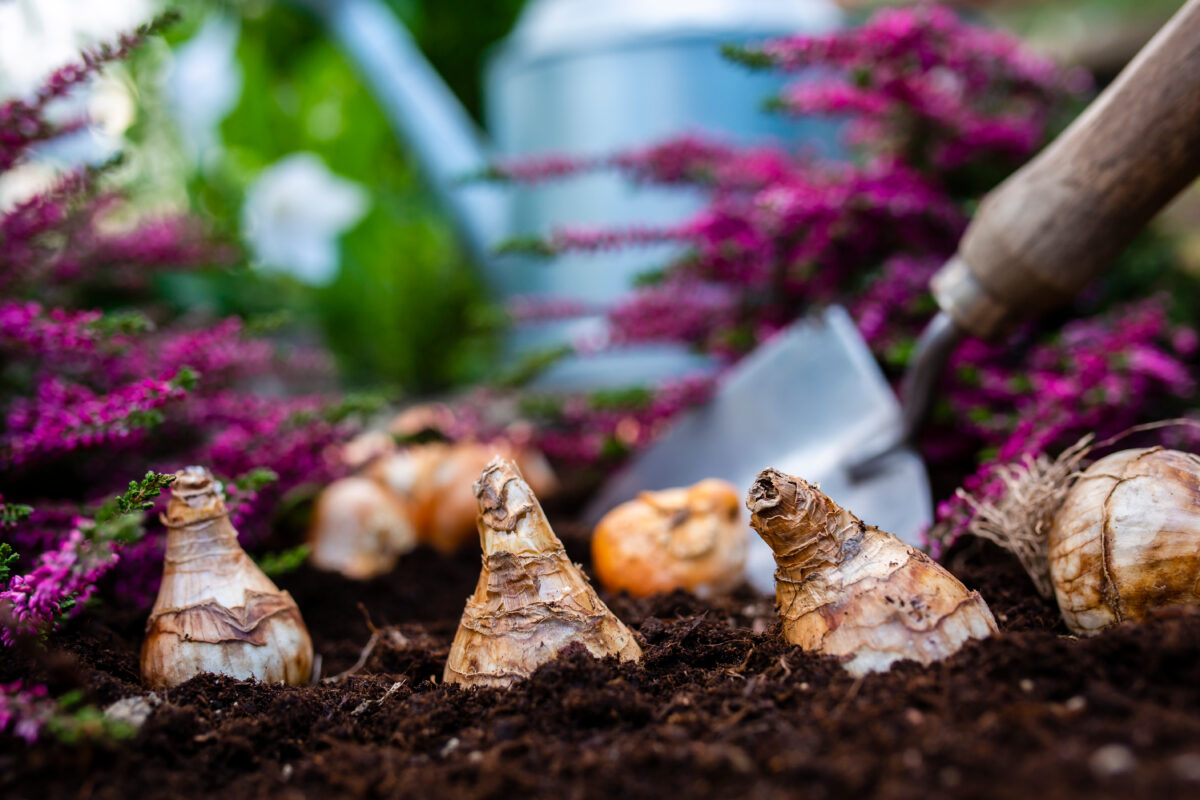
Boston homeowners should plant bulbs in September to enjoy a colorful early spring display:
-
Tulips – Elegant blooms that pair beautifully with stone patios and walkways.
-
Daffodils – Deer-resistant and cheerful yellow accents.
-
Crocuses – Among the earliest bloomers, often peeking through melting snow.
Pro Tip: Plant bulbs 3x as deep as their size (e.g., a 2-inch bulb should be planted 6 inches deep) and add bone meal or bulb fertilizer for better blooms.
Shrubs and Trees for Fall Planting
Trees and shrubs planted in September get a head start on root development before winter. Great options include:
-
Sugar Maples – Provide brilliant orange-red fall foliage.
-
Red Oaks – Native, strong shade trees perfect for large suburban lots.
-
Flowering Dogwoods – Small ornamental trees with spring blossoms and fall berries.
-
Hydrangeas (Paniculata & Arborescens) – Long-blooming shrubs that thrive in New England.
-
Boxwoods – Evergreen structure that provides winter interest.
Water thoroughly after planting and apply 2–3 inches of mulch to protect roots from early frosts.
Lawn Care & Maintenance in September
Your lawn has likely endured heat stress, drought conditions, and heavy foot traffic over the summer. September is the best time of year in the Boston area to revitalize your turf.
Aerate & Overseed
-
Core Aeration loosens compacted soil, allowing oxygen, water, and nutrients to reach grassroots.
-
Overseeding immediately after aeration helps fill in bare spots and improves overall turf density. Use a cool-season grass seed mix ideal for Massachusetts climates, such as Kentucky Bluegrass, Perennial Ryegrass, or Fine Fescues.
Fertilize for Strong Roots
Apply a slow-release nitrogen fertilizer to strengthen root systems. Avoid high-nitrogen quick-release fertilizers that push top growth before winter.
Mow Properly
Keep grass at around 3 inches to protect it from sudden temperature drops. Avoid scalping, which stresses the lawn and increases weed growth.
Pruning & Deadheading in Early Fall
Perennials
-
Cut back spent flowers on daylilies, hostas, and coneflowers.
-
Deadhead asters and sedum to extend their blooming season.
Shrubs
-
Prune summer-blooming shrubs like butterfly bushes now.
-
Avoid cutting back spring bloomers like lilacs or forsythia until after they flower next year.
Trees
-
Remove dead or diseased branches to prevent storm damage in winter.
-
Avoid heavy pruning in late fall since it can encourage tender new growth.
Preparing Garden Beds for Winter
September is your last chance to give beds the attention they need before frost.
-
Mulch – Apply a fresh layer around plants to retain moisture and regulate soil temperature.
-
Annual Cleanup – Pull spent annuals and compost healthy plant material.
-
Cover Crops – Sow winter rye in vegetable gardens to replenish soil nutrients for spring.
Pest & Disease Prevention in Fall
-
Clean Up Leaves – Rake and remove fallen leaves, especially if diseased, to prevent overwintering pests.
-
Inspect Plants – Look for signs of aphids, mites, and caterpillars. Treat with organic neem oil or insecticidal soap if necessary.
-
Rotate Vegetable Gardens – Prevent soil-borne diseases like blight by planting crops in different spots each year.
Landscaping Projects to Tackle in September
If you’re considering upgrades, September is a great time for landscape installations:
-
Hardscapes – Install patios, walkways, or fire pits while the weather is cool and dry.
-
Outdoor Lighting – Add path lights or uplighting to extend outdoor use and increase curb appeal.
-
Drainage Solutions – Install French drains or dry wells before winter snows add excess water.
Preparing for Winter in Greater Boston
Homeowners in Newton, Needham, Wellesley, Westwood, Walpole, and surrounding towns face harsh winters. Use September to get ahead:
-
Irrigation Blowouts – Schedule professional service to prevent frozen pipes.
-
Protect Evergreens – Apply anti-desiccant sprays to prevent winter burn.
-
Garden Structures – Check fences, trellises, and raised beds for repairs before heavy snow.
Why Work with a Professional Landscape Company?
While many September gardening tasks can be done DIY, a professional ensures long-term success. At Land Design Associates in Walpole, MA, we provide:
-
Expert fall cleanups, mulching, and lawn renovation.
-
Professional planting of trees, shrubs, and bulbs for long-term success.
-
Design-build services for patios, fire pits, and outdoor kitchens.
-
Ongoing maintenance programs for properties across Boston suburbs.
Final Thoughts
September in New England is a season of renewal. By planting strategically, caring for your lawn, pruning correctly, and preparing for winter, you set your property up for a thriving spring landscape.
If you’d like help with fall planting, lawn care, or landscape projects in Boston, Newton, Wellesley, Walpole, or the surrounding towns, contact Land Design Associates today. Our expert team is ready to make sure your property looks beautiful year-round.
Book a Free Consultation