

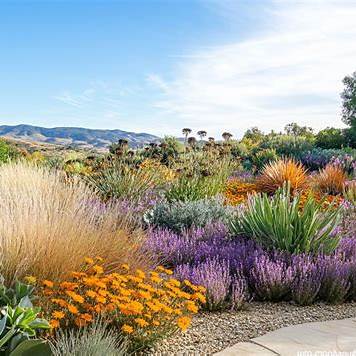
Creating Sustainable, Beautiful Outdoor Spaces in Eastern Massachusetts
Introduction – Sustainable Design for a Changing Climate
In Eastern Massachusetts, where rainfall can be unpredictable and summers increasingly dry, many homeowners are rethinking traditional lawns and high-maintenance gardens. As climate patterns shift, the concept of xeriscaping—a landscape design approach focused on reducing or eliminating the need for irrigation—has taken root as a forward-thinking solution.
At Land Design Associates in Walpole, Massachusetts, we specialize in creating landscape architectural designs that balance aesthetics, sustainability, and long-term performance. Whether you live in Wellesley, Needham, Newton, Westwood, or Dover, xeriscaping offers an opportunity to design a yard that stays vibrant year-round—without constant watering.
See our work
We are certified Landscape Professionals
🌱 What is Xeriscaping?
The word xeriscape comes from the Greek xeros, meaning “dry.” But contrary to common misconceptions, xeriscaping does not mean barren landscapes or desert rock gardens. It’s about using intelligent design, native plants, and efficient water management to create thriving, sustainable outdoor environments.
A xeriscape blends form, function, and ecology—achieving the same (or greater) beauty as traditional gardens while drastically lowering water use and maintenance. In New England’s variable climate, xeriscaping emphasizes:
-
Healthy soil structure that retains moisture naturally
-
Native, drought-tolerant plants suited to local conditions
-
Strategic design zones that minimize water demand
-
Sustainable hardscapes like stone, permeable pavers, and gravel beds
🧭 The Seven Principles of Xeriscaping
Developed by Denver Water in the 1980s, the seven core principles of xeriscaping can be applied anywhere—including Massachusetts’ humid continental climate.
1. Planning and Design
Every successful xeriscape starts with a thoughtful plan. Analyze your site’s:
-
Sun exposure – South-facing slopes dry faster; shade areas retain moisture.
-
Soil type – Sandy soils drain quickly; clay retains water longer.
-
Wind exposure – Strong winds accelerate evaporation.
-
Microclimates – Areas near foundations or pavement trap heat and alter soil moisture.
Group plants by their water and light requirements. For example, drought-tolerant species like little bluestem thrive on sunny slopes, while shade-tolerant ferns and sedges work well near woodland edges.
2. Soil Improvement
Healthy soil is the backbone of xeriscaping. In Eastern Massachusetts, many soils are either sandy or compacted clay—both extremes that challenge root growth. Improve your soil by:
-
Mixing in organic compost to increase water retention in sandy areas.
-
Using gypsum and leaf mold to improve drainage in clay soils.
-
Avoiding over-tilling, which disrupts soil microbiology.
A properly amended soil structure encourages deeper roots, allowing plants to thrive with less irrigation.
3. Appropriate Plant Selection
Choosing the right plants is where xeriscaping truly shines. The focus is on native and regionally adapted plants that require minimal supplemental water once established.
🌾 Excellent Xeriscape Plants for Eastern Massachusetts
Trees and Shrubs:
-
Eastern Red Cedar (Juniperus virginiana) – Evergreen, drought-tolerant, provides wildlife habitat.
-
Serviceberry (Amelanchier canadensis) – Four-season interest with flowers, berries, and fall color.
-
Inkberry Holly (Ilex glabra) – Native evergreen that tolerates both dry and moist soils.
Perennials and Grasses:
-
Little Bluestem (Schizachyrium scoparium) – Elegant native grass with blue-green foliage and copper fall tones.
-
Switchgrass (Panicum virgatum) – Upright ornamental grass that thrives in dry, sunny locations.
-
Purple Coneflower (Echinacea purpurea) – Hardy perennial loved by pollinators.
-
Butterfly Weed (Asclepias tuberosa) – Brilliant orange blooms that attract monarch butterflies.
-
Black-Eyed Susan (Rudbeckia hirta) – Bright and long-blooming, perfect for naturalized borders.
These plants are resilient, low-maintenance, and bring year-round texture and color to your landscape.
4. Practical Turf Areas
Traditional lawns consume more water than any other landscape element. Xeriscaping recommends reducing turf to only where it serves a purpose—for play, gathering, or circulation.
Swap high-maintenance bluegrass for alternatives such as:
-
No-mow fescue blends
-
White clover lawns (self-fertilizing and pollinator-friendly)
-
Creeping thyme groundcover, which releases fragrance underfoot
5. Efficient Irrigation
Even drought-tolerant landscapes need water during establishment. Use drip irrigation or soaker hoses to target plant roots directly, preventing evaporation and waste. As plants mature, watering can taper off naturally.
6. Mulching
Mulch serves as nature’s insulation. Apply 2–3 inches of organic mulch such as shredded bark or leaf compost around plants. This conserves moisture, suppresses weeds, and moderates soil temperature—particularly important in Massachusetts’ freeze-thaw cycles.
7. Maintenance
Once established, xeriscapes require far less upkeep than traditional yards. Seasonal tasks include:
-
Spring mulching
-
Occasional pruning
-
Light weeding and debris removal
Avoid overwatering and fertilizing—these can actually harm plants adapted to drier conditions.
🌍 Design Strategies for New England Xeriscapes
Designing xeriscapes in Eastern Massachusetts isn’t about mimicking desert environments; it’s about embracing regional character and working with natural processes.
🌧 Rain Gardens & Bioswales
Capture stormwater runoff and channel it into planted basins. These features filter pollutants and reduce erosion while feeding moisture back into the soil.
🪨 Rock Gardens & Stone Accents
Use granite, fieldstone, or reclaimed bluestone to define plant beds, retain slopes, and reflect the rugged charm of New England. Permeable stone patios also reduce runoff while providing beautiful, durable gathering spaces.
🌸 Wildflower Meadows
Transform large lawn areas into native wildflower meadows filled with black-eyed Susans, bee balm, and goldenrod. These attract pollinators and require little more than annual mowing.
🌿 Edible Xeriscaping
Combine beauty with function using drought-tolerant edibles:
-
Herbs: oregano, thyme, sage, and lavender
-
Shrubs: blueberry, serviceberry, and aronia
-
Perennials: rhubarb and asparagus
💧 The Benefits of Xeriscaping
1. Water Conservation
New England faces more frequent summer droughts. Xeriscaping can cut water usage by up to 60%, easing strain on municipal systems and reducing your water bill.
2. Lower Maintenance Costs
No more constant mowing or irrigation system repairs. Homeowners save on both labor and utilities, freeing up time for enjoyment.
3. Biodiversity & Ecosystem Health
Native plants provide food and habitat for bees, butterflies, and birds, rebuilding local ecosystems. A well-designed xeriscape supports biodiversity even in suburban settings.
4. Soil Health & Erosion Control
Deep-rooted native plants anchor soil and reduce erosion. Organic mulches decompose naturally, enriching the soil over time.
5. Curb Appeal and Property Value
Modern xeriscaping enhances curb appeal and increases property value, showcasing sustainability and thoughtful design. From structured courtyards to naturalized meadows, water-wise design fits any aesthetic—from modern to classic New England charm.
🏡 Getting Started: How to Create a Xeriscape in Eastern Massachusetts
-
Start Small. Convert one garden bed or a section of your lawn to drought-tolerant planting.
-
Consult a Professional. A certified landscape designer can ensure success through correct soil preparation, grading, and plant grouping.
-
Install Efficient Irrigation. If you’re transitioning from a traditional lawn, install drip irrigation first, then reduce water gradually.
-
Mulch & Maintain. Apply organic mulch and plan for light seasonal maintenance.
-
Observe & Adjust. Watch how your landscape responds to rainfall and sunlight, then adapt plant choices as needed.
At Land Design Associates, we help homeowners design and install xeriscape landscapes that fit New England’s unique conditions. From conceptual plans to complete installations, our team ensures your outdoor space is sustainable, functional, and stunning year-round.
🌾 Final Thoughts
Xeriscaping isn’t a trend—it’s a smart, sustainable design philosophy that’s reshaping how Massachusetts homeowners approach outdoor living. It’s about working with nature, not against it, and designing spaces that flourish with minimal intervention.
With the right mix of native plants, creative design, and ecological awareness, you can enjoy a landscape that’s:
-
Beautiful in all seasons
-
Low-maintenance
-
Resilient to drought
-
Environmentally responsible
Whether you’re building a new home or reimagining your backyard, xeriscaping offers a long-term investment in sustainability, beauty, and peace of mind.
👉 Ready to transform your landscape?
Schedule a design consultation with Land Design Associates today and discover how xeriscaping can help you save water, reduce maintenance, and elevate your outdoor living experience.
See our work
We are certified Landscape Professionals