

Creating a Meaningful Landscape Design That Honors Tradition and Community
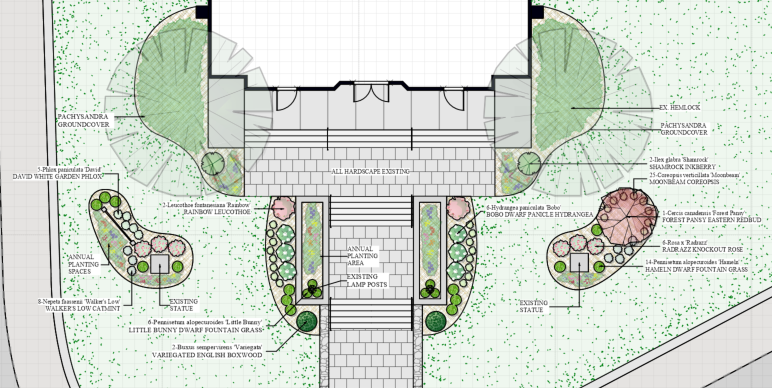
A thoughtful design can do much more than improve curb appeal—it can strengthen community connections, celebrate history, and create welcoming outdoor spaces that bring people together. At Land Design Associates, we recently completed a landscape enhancement project for a local church in Walpole, Massachusetts, where the goal was to refresh the front landscape while respecting the property’s longstanding traditions and highlighting 2 statues that serve as important focal points for parishioners and visitors alike.
This project demonstrates how careful planning, landscape design expertise, and attention to detail can transform an existing landscape into a vibrant, meaningful space that reflects the values of the organization it serves. Through strategic plant selections, thoughtful placement of materials, and community-focused planning, we helped create a landscape that will continue to grow and evolve for years to come.
Project Background
Located in a prominent area of Walpole, this church serves as a gathering place for residents throughout the community. The property occupies a highly visible location, welcoming visitors, parishioners, and passersby on a daily basis.
While the church featured two large statues and established landscape areas, portions of the front landscape had become dated and required revitalization. Existing plantings were no longer providing the visual impact desired by church leadership, and there was an opportunity to create a more cohesive and attractive appearance that better complemented the architecture and spiritual significance of the site.
The church leadership approached Land Design Associates with a vision to enhance the front landscape while preserving the character and dignity of the property. They wanted a landscape that would be beautiful throughout the growing season, easy to maintain, and inviting to both members and visitors.
Most importantly, they wanted to ensure that the statues remained a central focus of the landscape rather than becoming visually lost among overgrown or competing plant material.
Site Evaluation and Design Goals
Every successful landscape project begins with understanding the site’s strengths and opportunities. During our initial consultation, we carefully evaluated the church grounds, existing landscape conditions, sightlines, and circulation patterns.
Several key objectives emerged during the planning process:
Highlight Existing Religious Features
The statues represented an important part of the church’s identity and history. Rather than treating them as secondary landscape elements, we wanted to make them focal points within the overall design.
This required thoughtful plant placement, careful consideration of mature plant sizes, and strategic layering of materials that would draw attention toward these important features.
Improve Seasonal Interest
The church wanted colorful and attractive plantings throughout the growing season. By incorporating a variety of flowering shrubs, perennials, and ornamental grasses, we could provide visual interest from spring through fall.
Enhance Community Engagement
One unique aspect of this project was the church’s desire to involve members of the congregation in maintaining and enjoying the landscape. Rather than fully planting every garden bed, we intentionally created dedicated planting areas where church members could add seasonal annual flowers each year.
This community-centered approach transformed the landscape into more than just an attractive garden—it became an opportunity for fellowship and participation.
Create a Cohesive Appearance
The existing landscape lacked a unified visual theme. Through thoughtful plant selection and layout, we sought to create a cohesive composition that would complement the church architecture while providing year-round structure and beauty.
Developing the Landscape Design
The landscape design process focused on creating a layered planting scheme that balanced color, texture, structure, and seasonal interest.
Our approach combined evergreen foundation plants with flowering shrubs and perennials, creating a landscape that would remain attractive throughout the year.
The planting plan was designed to frame important views, guide visitors toward entrances, and create a welcoming environment for everyone who visits the church.
Because of the property’s central location in Walpole, visibility from surrounding streets was also an important consideration. The finished landscape needed to make a positive impression from multiple vantage points while maintaining an appropriate scale for the site.
Plant Selection Strategy
Plant selection played a critical role in the success of this project. Each species was chosen for its aesthetic qualities, durability, seasonal interest, and compatibility with the church environment.
Roses
Roses were selected as a primary flowering feature within the landscape. Their timeless beauty, extended bloom period, and symbolic associations made them particularly appropriate for a church setting.
The vibrant flowers add color and elegance throughout the growing season while enhancing the visual prominence of key landscape areas.
Boxwoods
Boxwoods provide the structural backbone of the planting design. These evergreen shrubs offer year-round interest and help define planting beds while creating a formal appearance that complements the church architecture.
Their neat form and reliable performance make them an excellent choice for institutional landscapes.
Hydrangeas
Hydrangeas were incorporated to provide dramatic seasonal color and large floral displays. Their substantial blooms create visual impact during summer and help soften architectural elements throughout the property.
The hydrangeas also provide an appealing transition between evergreen foundation plants and lower-growing perennials.
Coreopsis
Coreopsis introduces bright seasonal color and long-lasting blooms. These cheerful perennials provide a welcoming atmosphere and contribute to the vibrant character of the landscape.
Their ability to attract pollinators also supports local ecological health.
Leucothoe
Leucothoe adds texture and depth to the planting composition. This versatile shrub provides attractive foliage throughout the year and complements both evergreen and flowering plants.
Its graceful habit helps create a natural, layered appearance.
Catmint
Catmint was selected for its extended bloom period, drought tolerance, and attractive blue-purple flowers.
This reliable perennial provides excellent contrast against surrounding plant material and contributes a soft, informal texture to the landscape.
Ornamental Grasses
Perennial grasses introduce movement, texture, and seasonal interest. Their graceful forms create visual contrast while adding a sense of rhythm throughout the planting beds.
As the seasons change, these grasses continue to provide interest through fall and winter.
Highlighting the Statues
One of the most important aspects of the project involved emphasizing the church’s existing statues.
Rather than surrounding these features with dense plantings, we carefully designed the landscape to frame and accentuate them.
Layered plant groupings create visual depth while maintaining clear sightlines. Lower-growing perennials and shrubs were strategically positioned to ensure that the statues remain visible and prominent from multiple viewing angles.
The resulting composition allows visitors to appreciate both the landscape and the religious elements simultaneously.
This approach reflects a core principle of successful landscape architecture: using plant materials to enhance important site features rather than compete with them.
Encouraging Community Participation
A particularly meaningful aspect of this project was the decision to leave designated spaces within the planting beds for seasonal annual flowers.
Church members now have opportunities to participate directly in maintaining and personalizing the landscape throughout the year.
These planting areas can be updated seasonally with colorful annuals, creating opportunities for volunteer involvement and community engagement.
By incorporating these spaces into the overall design, the landscape becomes a living extension of the congregation itself.
This collaborative approach aligns with the church’s mission of bringing people together while fostering pride in the property.
Installation Process
Once the design was finalized, our team coordinated the installation process to ensure a smooth transition from concept to completion.
Careful site preparation was essential to establishing healthy growing conditions for the new plantings. Existing landscape areas were refreshed and prepared before installation began.
Each plant was positioned according to the approved design plan, ensuring proper spacing, mature growth considerations, and visual balance.
Attention to detail throughout installation helped create a polished and professional final result that immediately enhanced the church’s appearance.
The Finished Result
Today, the church enjoys a refreshed landscape that successfully combines beauty, function, and community engagement.
Visitors are welcomed by colorful plantings, attractive garden beds, and thoughtfully framed statues that reflect the property’s identity and purpose.
The combination of roses, boxwoods, hydrangeas, coreopsis, leucothoe, catmint, and ornamental grasses provides year-round structure and seasonal interest while remaining manageable from a maintenance perspective.
Most importantly, the project achieved its primary objective: creating a landscape that honors the church’s traditions while inviting future participation from members of the congregation.
Why Thoughtful Design Matters
Projects like this demonstrate the value of professional landscape design in institutional and community settings.
A successful landscape does more than beautify a property. It creates experiences, reinforces identity, and helps people connect with the places that matter most to them.
Whether working on residential properties, municipal projects, commercial developments, or community institutions, Land Design Associates approaches every project with a commitment to thoughtful planning, creative problem-solving, and exceptional attention to detail.
Bringing Landscape Architecture and Design Together
This church project in Walpole highlights how landscape architecture and landscape design can work together to create spaces that are both functional and meaningful.
By carefully considering site context, visual hierarchy, plant selection, and community needs, we transformed a simple planting renovation into a landscape that celebrates tradition, encourages participation, and enhances the overall character of the property.
The result is a welcoming outdoor environment that will continue to serve the congregation and community for years to come.
Partner with Land Design Associates
If you are considering improvements to your church, municipal property, commercial site, or residence, Land Design Associates can help develop a customized solution tailored to your goals.
From conceptual planning and landscape architecture to detailed landscape design and installation, our team provides comprehensive services throughout Massachusetts.
Contact Land Design Associates today to learn how thoughtful design can transform your property into a beautiful and lasting destination.
Start with a design consultation:
https://landdesignassociates.com/design-build-form/
Or explore our work here:
https://landdesignassociates.com/featured-projects/