

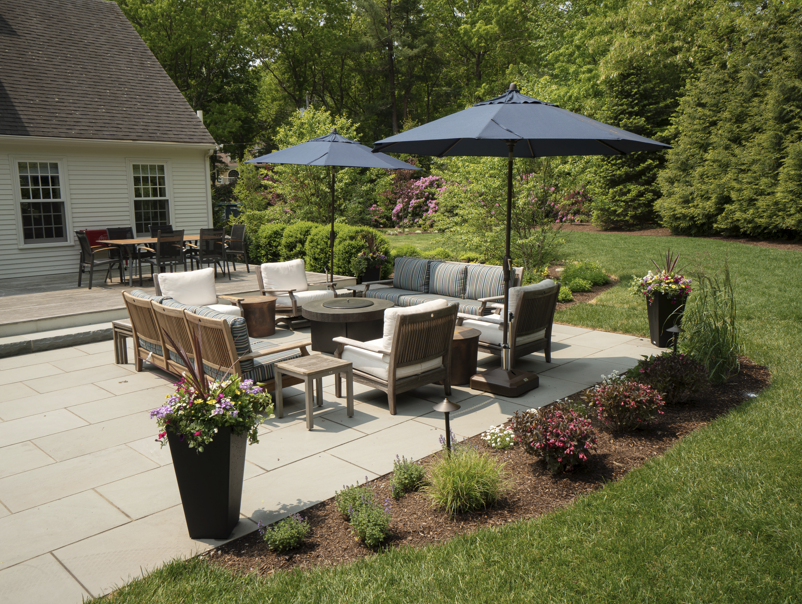
Creating a beautiful landscape isn’t just about selecting attractive flowers and shrubs—it’s about choosing plants that thrive in your local environment. For homeowners looking to create sustainable, low-maintenance outdoor spaces, Native Plants are one of the best investments you can make. Native species have evolved to grow naturally in New England’s climate, making them better adapted to Massachusetts weather, soils, and wildlife than many imported ornamental plants.
At Land Design Associates, we believe that successful landscape architecture begins with understanding the unique character of each property. Incorporating Native Plants into your landscape design creates landscapes that are beautiful, environmentally responsible, and easier to maintain over time. Whether you’re planning a complete backyard transformation or refreshing your foundation plantings, choosing native species can help your landscape flourish through every season.
What Are Native Plants?
Native plants are species that naturally occurred in a region long before modern development and landscaping practices introduced non-native varieties. In Massachusetts, these plants have adapted over thousands of years to local rainfall, temperatures, seasonal changes, and soil conditions.
Because they evolved alongside local wildlife, native plants also provide essential food and habitat for birds, butterflies, bees, and beneficial insects.
Unlike many exotic ornamentals, native plants typically require fewer chemical fertilizers, less irrigation once established, and fewer pesticides to remain healthy.
Why Native Plants Are Ideal for Massachusetts Landscapes
Massachusetts presents unique landscaping challenges. Winters can be harsh, summers are becoming hotter, and spring often brings periods of heavy rainfall. Native plants have naturally adapted to these conditions.
Benefits include:
- Better winter hardiness
- Improved drought tolerance
- Strong resistance to local pests
- Reduced maintenance
- Greater biodiversity
- Enhanced seasonal interest
- Better support for pollinators
These advantages make native landscapes both practical and beautiful.
Start with Your Property Conditions
Before choosing plants, it’s important to evaluate your site. No two properties are exactly alike, and selecting plants that match your site’s conditions is one of the most important steps toward long-term success.
Consider the following factors:
Sun Exposure
Observe how much sunlight different areas of your yard receive.
Areas may include:
- Full sun (6+ hours)
- Partial sun
- Partial shade
- Full shade
Choosing plants based on available sunlight dramatically improves their health and longevity.
Soil Type
Massachusetts soils vary considerably.
Some properties contain:
- Sandy soils
- Heavy clay
- Rocky soils
- Loam
- Wet areas
A professional soil evaluation helps determine which native plants will thrive naturally.
Moisture Levels
Pay attention to drainage after rainfall.
Some areas stay consistently dry while others remain damp for days.
Selecting plants suited to existing moisture conditions often eliminates unnecessary irrigation.
Existing Trees
Large mature trees influence plant selection.
Tree roots compete for water, while dense canopies create shade and limit rainfall reaching the ground below.
Many woodland native plants excel in these conditions.
Think Beyond Individual Plants
One common mistake homeowners make is selecting plants one at a time.
Professional landscape designers instead think in terms of plant communities.
Natural forests, meadows, wetlands, and woodland edges all contain groups of plants that naturally grow together.
Recreating these relationships creates healthier, more resilient landscapes.
Native Trees That Add Lasting Value
Trees form the backbone of many successful landscape plans.
Several outstanding Massachusetts natives include:
Red Maple (Acer rubrum)
Known for brilliant red fall color, Red Maple adapts well to many soil types and provides excellent shade.
White Oak (Quercus alba)
White Oaks are among the most valuable native trees for wildlife, supporting hundreds of beneficial insect species while becoming magnificent shade trees.
River Birch (Betula nigra)
River Birch performs well in moist soils and offers attractive peeling bark throughout the winter months.
Eastern Redbud (Cercis canadensis)
Although native to portions of the eastern United States, Eastern Redbud has become increasingly popular in Massachusetts for its stunning spring blooms.
Beautiful Native Shrubs
Shrubs provide structure, seasonal color, and privacy.
Popular choices include:
Winterberry Holly
Winterberry produces brilliant red berries that brighten winter landscapes while providing food for birds.
Arrowwood Viburnum
This adaptable shrub offers spring flowers, attractive berries, and excellent fall color.
Summersweet (Clethra alnifolia)
Fragrant summer flowers attract bees and butterflies while thriving in moist soils.
Highbush Blueberry
In addition to edible fruit, Highbush Blueberry provides beautiful spring flowers and outstanding crimson fall foliage.
Perennials That Keep Blooming
Native perennial gardens offer changing color from spring through fall.
Excellent choices include:
- Purple Coneflower
- Black-Eyed Susan
- New England Aster
- Wild Bergamot
- Cardinal Flower
- Joe-Pye Weed
- Golden Alexander
- Blue Flag Iris
- Foamflower
- Wild Columbine
By selecting species with staggered bloom times, homeowners enjoy continuous seasonal interest while supporting pollinators throughout the growing season.
Grasses Add Movement and Texture
Native ornamental grasses are becoming increasingly popular throughout Massachusetts.
They provide:
- Winter interest
- Bird habitat
- Soil stabilization
- Low maintenance
- Attractive texture
Popular options include:
- Little Bluestem
- Switchgrass
- Prairie Dropseed
- Northern Sea Oats
These grasses pair beautifully with flowering perennials.
Design for Four Seasons
A successful landscape should look attractive throughout the year.
Instead of focusing only on spring flowers, consider how your landscape changes during every season.
Spring may feature flowering trees and woodland wildflowers.
Summer brings colorful perennials and lush green foliage.
Autumn showcases brilliant foliage, berries, and ornamental grasses.
Winter highlights evergreen textures, interesting bark, seed heads, and structural branches.
Planning for year-round beauty creates a landscape that remains enjoyable every month.
Support Local Wildlife
One of the greatest benefits of native landscapes is the habitat they provide.
Native plants support:
- Pollinating bees
- Butterflies
- Songbirds
- Hummingbirds
- Beneficial insects
For example, milkweed serves as the host plant for Monarch butterflies, while oak trees support hundreds of caterpillar species that become food for nesting birds.
Even a modest native planting can significantly improve local biodiversity.
Reduce Lawn Areas
Many homeowners are replacing portions of traditional turf with planting beds filled with native species.
Benefits include:
- Less mowing
- Lower water usage
- Reduced fertilizer needs
- Increased wildlife habitat
- Greater visual interest
Native meadows and naturalized planting areas have become especially popular on larger Massachusetts properties.
Mix Native and Traditional Plants
A landscape doesn’t have to consist entirely of native species.
Many successful projects blend native plants with carefully selected ornamental varieties.
This balanced approach offers:
- Extended bloom periods
- Architectural interest
- Unique textures
- Improved seasonal color
The goal is creating a landscape that feels both natural and refined.
Consider Maintenance Requirements
Although native plants generally require less maintenance once established, they are not maintenance-free.
Successful landscapes still benefit from:
- Seasonal pruning
- Mulching
- Weeding
- Occasional watering during establishment
- Plant health monitoring
Professional maintenance helps preserve both appearance and plant health over time.
Native Plants Improve Stormwater Management
Massachusetts experiences increasingly intense rainstorms throughout the year.
Native plants often develop deeper root systems than traditional turfgrass, helping absorb rainfall and reduce runoff.
These roots improve soil structure while helping stabilize slopes and reduce erosion.
When combined with thoughtful grading and drainage design, native plantings become an important component of sustainable landscapes.
Work with Experienced Landscape Professionals
Choosing the right native plants involves more than selecting species from a garden center.
Professional designers evaluate:
- Soil conditions
- Sun exposure
- Drainage
- Existing vegetation
- Long-term maintenance goals
- Architectural style
- Seasonal interest
- Wildlife value
This comprehensive approach ensures every plant contributes to a cohesive and lasting landscape.
At Land Design Associates, every planting plan is carefully tailored to each property’s unique conditions. Our team combines decades of experience in landscape architecture and landscape design with an understanding of New England’s climate to create outdoor environments that are both beautiful and sustainable.
Native Plants Increase Property Value
Thoughtfully designed landscapes are more than an aesthetic improvement—they are a long-term investment in your home. Native plantings enhance curb appeal, create inviting outdoor living spaces, and demonstrate environmental stewardship that many modern buyers appreciate. Mature native landscapes also tend to age gracefully, requiring fewer replacements than landscapes dominated by plants poorly suited to New England conditions.
Whether incorporated into foundation plantings, backyard gardens, woodland edges, or expansive estate landscapes, native species help create timeless outdoor environments that remain attractive for decades.
Final Thoughts
Choosing Native Plants for your Massachusetts yard is one of the smartest decisions you can make when planning a new landscape or renovating an existing one. These plants are naturally adapted to New England’s climate, support local wildlife, improve sustainability, and provide year-round beauty with less long-term maintenance.
At Land Design Associates, we specialize in creating customized outdoor environments that blend thoughtful landscape architecture with exceptional landscape design. By selecting the right native trees, shrubs, grasses, and perennials for each property, we help homeowners throughout Massachusetts enjoy landscapes that are beautiful, functional, and built to thrive for generations. Whether you’re interested in a complete property master plan or simply want to incorporate more native species into your existing landscape, our team can help you create an outdoor space that celebrates the natural beauty of Massachusetts.
Start with a design consultation:
https://landdesignassociates.com/design-build-form/
Or explore our work here:
https://landdesignassociates.com/featured-projects/